
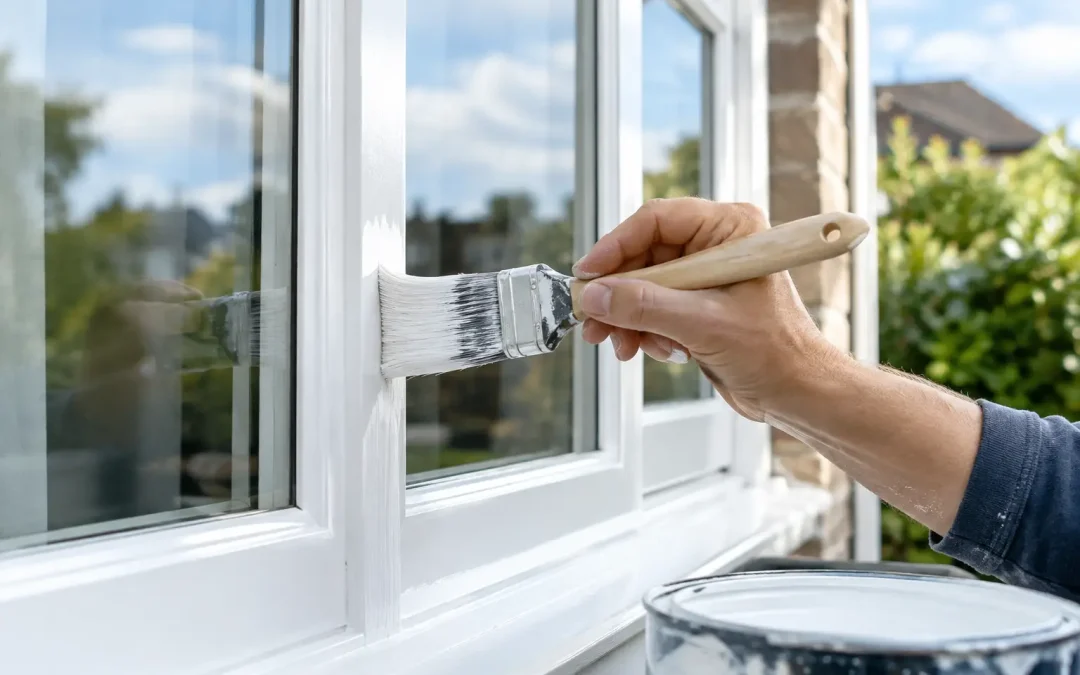
Window frame painting Milton Keynes homeowners arrange is often treated as a small finishing job. In reality, it can make a tired room feel newly decorated, sharpen the appearance of an exterior and help protect timber from the weather. The difference between a result that looks smart for years and one that chips within a season is nearly always in the preparation.
Whether you are refreshing one room before moving in, bringing period timber back to life or improving the kerb appeal of a rental property, window frames need a method suited to their material and condition. A clean, even coat is the visible result. The less visible work – repairing, filling, sanding, priming and protecting surrounding glass and walls – is what gives it staying power.
Why window frames need more than a quick coat
Frames are high-contact surfaces. Interior frames collect dust, fingerprints and condensation, while external frames face rain, frost, sunlight and repeated movement as windows are opened and closed. Even a good-quality paint cannot perform properly over loose coatings, damp timber or poorly prepared glossy surfaces.
Timber frames are particularly vulnerable where paint has cracked at joints, sills or lower edges. Once moisture gets behind the coating, the timber can soften and rot can develop. Painting at the right time can therefore be practical maintenance, not simply a cosmetic update.
For landlords and property managers, well-finished frames also help a property look cared for during viewings and between tenancies. In offices, shops and communal areas, neat joinery creates a better first impression without the disruption and expense of replacement.
A professional window frame painting process
Good decorating starts with an honest assessment. Not every frame needs stripping back completely, but every frame needs to be checked for soundness. The right approach depends on the existing coating, the material underneath, the location of the frame and how much wear it receives.
Preparation comes first
The working area is protected before any paint is opened. Floors, window boards, glass, surrounding walls and furnishings need careful masking or covering, particularly where a room has already been decorated. This keeps the job clean and avoids paint marks where they do not belong.
Loose or flaking paint is removed, and sound surfaces are sanded to provide a suitable key for the next coat. Cracks, dents and open joints are filled with an appropriate product, then sanded smooth once dry. On external timber, any signs of decay should be dealt with before decorating. Painting over a problem may make it disappear briefly, but it will not solve it.
Frames are then cleaned to remove sanding dust, grease and residue. This stage is easily rushed on a DIY job, yet it is one of the main reasons paint can fail early. A clean, dry surface allows primers and topcoats to bond as intended.
The primer and paint must suit the surface
Bare wood, stained areas and repaired sections generally require a suitable primer before undercoat and topcoat. The primer helps create an even base, improves adhesion and prevents uneven absorption that can leave a patchy finish.
For interior timber, hard-wearing water-based systems are often a sensible choice. They dry quickly, have lower odour and resist the yellowing that can affect some traditional solvent-based white paints. However, the best system is not identical for every job. Older joinery with staining, previous oil-based coatings or demanding conditions may need a different primer or coating build-up.
Exterior work needs paint designed to cope with changing temperatures and moisture. The aim is a flexible, weather-resistant coating that protects the timber while still allowing it to perform naturally. Painting should only be carried out when the surface is dry and conditions are suitable. A dry forecast matters more than trying to force an exterior job through on a damp day.
Careful application creates the finish
A brush-and-roller application is often ideal for detailed frames, mouldings and small repairs. It gives close control around glazing bars, hinges and corners. With the correct paint, tools and technique, it can leave a smooth, consistent result without heavy brush marks.
Spray application can be an excellent option for larger quantities of doors, frames and joinery, particularly during a wider refurbishment. It can produce a very even finish efficiently, but it requires thorough preparation, masking and ventilation. Spray is not automatically the right method for every occupied room. The choice should be based on the space, the amount of joinery and the need to keep disruption to a minimum.
Window frame painting in Milton Keynes: choosing the right scope
Sometimes a few marked frames are all that need attention. Other times, painting frames alongside skirting boards, doors, walls and window boards creates a more complete result. The right scope depends on your budget, the condition of the room and whether you are looking for a quick refresh or a longer-term improvement.
If walls have recently been painted, the contrast can make yellowed or chipped white frames stand out more than before. Decorating the woodwork at the same time brings the room together and gives it the crisp finish many homeowners want after investing in new wall colours, flooring or furnishings.
For exterior projects, it is worth looking beyond the front elevation. Side and rear frames may be less visible from the road, but they can be more exposed to wind, shade or persistent damp. Addressing the full condition of the joinery is usually better value than returning later to repair an avoidable failure.
What about uPVC and aluminium frames?
Not every frame is timber, and not every uPVC or aluminium frame should be painted without thought. Modern uPVC can be professionally recoloured using specialist preparation and coating systems, but the surface must be properly cleaned and keyed, and any manufacturer warranty should be considered first. Ordinary household paint is unlikely to offer the adhesion or durability needed.
Aluminium frames also need specialist products and preparation. These surfaces can look straightforward, but smooth factory finishes are unforgiving if the coating system is wrong. A test area and clear assessment are sensible before committing to a larger colour change.
In some cases, cleaning, repair or replacement is the better decision. A trustworthy decorator should explain that rather than recommend paint where it will not provide good value.
Colours and finishes that work well
White remains popular because it reflects light and works with almost any wall colour. A warm white can soften a traditional room, while a brighter white gives a sharper, more contemporary look. Soft greys, deep blues and near-black shades are also increasingly used on external timber and selected interior features.
The sheen level matters as much as the colour. Satinwood is a common choice for interior frames because it has a subtle sheen, is practical to clean and does not highlight minor imperfections as much as high gloss. Matt finishes can look elegant, but they are not always the most practical option on surfaces that receive regular handling or cleaning.
Dark external colours can look striking, though they may absorb more heat in direct sunlight. On older timber, that movement can place extra pressure on a coating. It does not rule out a dark colour, but it is one reason to use a suitable exterior system and prepare the frame properly.
Signs it is time to repaint your frames
A few small marks do not always mean a full repaint is needed. A professional touch-up can be enough where the coating remains sound. Repainting is more worthwhile when you can see widespread yellowing, peeling, cracking, worn edges, water staining or rough areas that cannot be cleaned back.
Do not wait for exposed timber to deteriorate if the frame is outside. Early maintenance is generally simpler, tidier and more affordable than extensive filling or joinery repair later on. Indoors, repainting before a full room update helps the schedule run more smoothly and prevents newly decorated walls being marked during woodwork preparation.
A finish that respects your property
Window frame work can be disruptive when it is poorly managed. Paint smells, dust, open windows and furniture moved into the middle of a room are all concerns clients reasonably want to avoid. A careful decorating team plans the work around the space, protects surfaces, keeps the area tidy and allows suitable drying time between coats.
RS Interiors MK uses trade-grade materials and detailed preparation to deliver clean, durable finishes for homes and business premises. With more than 15 years of local experience and a fully insured service, the focus is on work completed neatly, on time and within the agreed budget.
If your frames are beginning to let down an otherwise well-kept room or exterior, a free, no-obligation quote can give you a clear view of the work required. The best time to repaint is before minor wear becomes a bigger repair job.
Recent Comments